05/06/2026 by Chris Peregin 0 Comments

Healthmark at Home: Complete Care and Therapy at Home in Malta and Gozo, From Physiotherapy To Post-Surgical Recovery

One brand, one home: Healthmark at Home

Healthmark at Home brings personal care, nursing and specialist therapy together — delivered by qualified professionals in the comfort of your own home, anywhere in Malta and Gozo. Whether you need a little help a few hours a week or a full team after a hospital stay, you have one number to call and one provider to coordinate it all.

Healthmark’s mission is to deliver the best healthcare with the utmost convenience. Whether you are recovering from a stroke, living with dementia, treating diabetes or just need access to excellent healthcare without the inconvenience of long commutes and waiting lists, we are here to meet your needs. Now you can access a range of specialised medical services from the comfort of your home.

This guide brings together everything Healthmark at Home offers — care and therapy — so you can find the right support in one place.

What you can expect from Healthmark at Home

  • Commitment to quality and safety of service
  • Dedicated team to contact
  • Experienced and trained staff
  • Fast track service
  • Last minute requests
  • Personalised service
  • Qualified professionals
  • Quality over quantity
  • Short-term or long-term service

Therapy at home

Clinical therapy delivered in your own home, across Malta and Gozo.

Physiotherapy
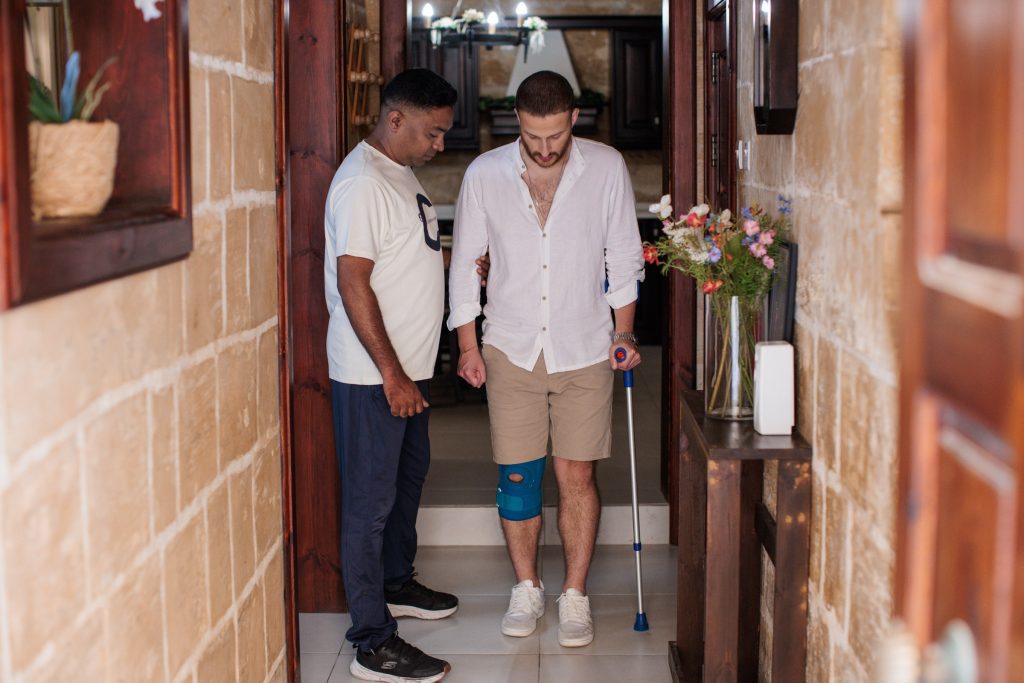
Regain strength, mobility and balance through specialised exercises at home. This is ideal for recovery after injury, surgery or illness, including neurological conditions such as stroke and Parkinson’s.

Who is it for?

  • Seniors experiencing mobility challenges or falls
  • Persons recovering from surgeries such as joint replacements
  • Individuals with neurological conditions such as stroke or Parkinson’s
  • Anyone needing rehab but unable to travel to a clinic

What we offer:

  • Personalised exercise and rehabilitation programs
  • Pain management techniques (e.g. for arthritis or back pain)
  • Post-surgical recovery support
  • Balance and fall prevention training
  • Joint and muscle strengthening sessions
  • Mobility aid assessments and recommendations

Read more about physiotherapy →

Occupational Therapy

Regular therapy to regain independence, function and confidence for those recovering from stroke, falls, surgical procedures and other medical conditions affecting daily function.

Who is it for? This service is ideal for adults and older people who:

  • Are recovering from stroke, falls or surgery (e.g. hip replacements)
  • Have difficulty performing daily personal tasks like dressing, bathing or feeding
  • Are experiencing cognitive changes that affect day-to-day life
  • Need advice on home safety or functional adaptations
  • Want to maintain or regain their independence at home

What we offer:

  • Upper limb rehabilitation
  • Retraining in Personal Activities of Daily Living (PADL) such as washing, dressing, feeding
  • Cognitive assessments and targeted interventions
  • Advice on adaptive equipment and assistive technologies
  • Home safety evaluations and modification recommendations

Read more about occupational therapy →

Speech Language Therapy

Targeted therapy to improve speech, language, voice and swallowing abilities affected by neurological conditions such as stroke, dementia, Parkinson’s or traumatic brain injury.

Read more about speech and language therapy →

Neuropsychology

Support for cognitive function through personalised assessments and rehabilitation for those experiencing memory loss, confusion, or behavioural changes due to stroke, brain injury, dementia, epilepsy or age-related decline.

Read more about neuropsychology →

Podiatry

Treatment for foot and lower limb issues to relieve pain, improve mobility and prevent complications – from postural problems in children or athletes at risk of injuries to diabetes-related conditions in older adults.

Read more about podiatry →

Dietetics

Expert help to eat healthy, manage medical conditions through diet, or recover from illness with proper nutrition, including post-hospitalisation support and management of enteral feeds (specialised feeds) and support for gastrointestinal issues, allergies and intolerances.

Read more about dietetics →

Audiology

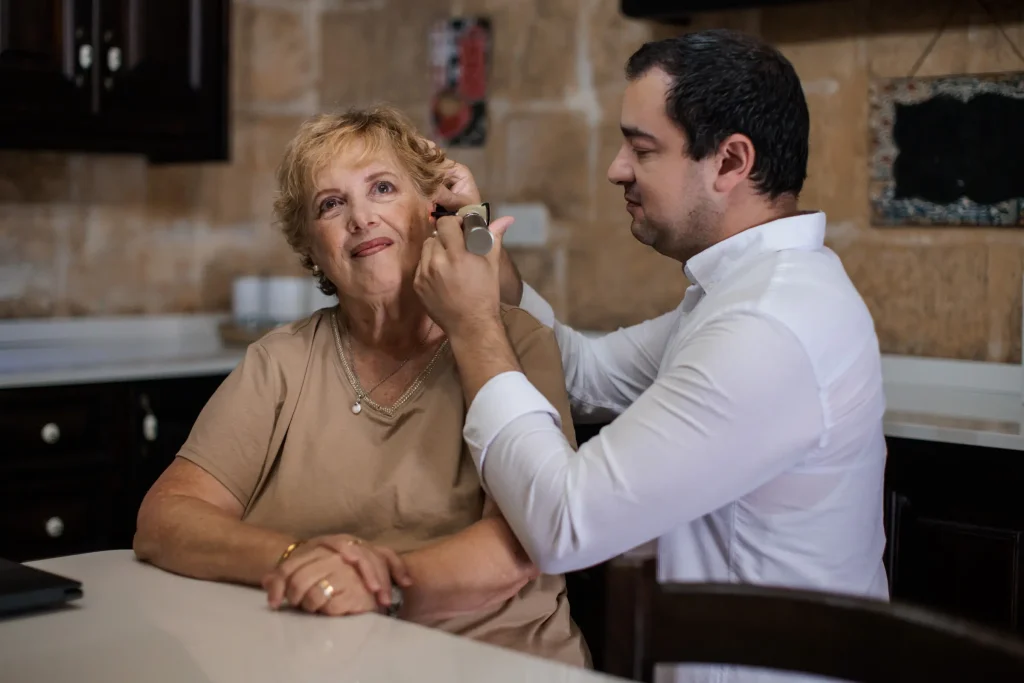
Tests for hearing loss, fitting hearing aids and helping people who have trouble with balance or ringing in their ears (tinnitus). This includes hearing aid repair, ear wax removal and assessment of middle ear status.

Read more about audiology →

Midwifery

Support during pregnancy and after birth, providing guidance to new parents: from newborn care to maternal wellness.

Read more about midwifery →


Care at home

Community / Domiciliary Services by our Dedicated Care Workers

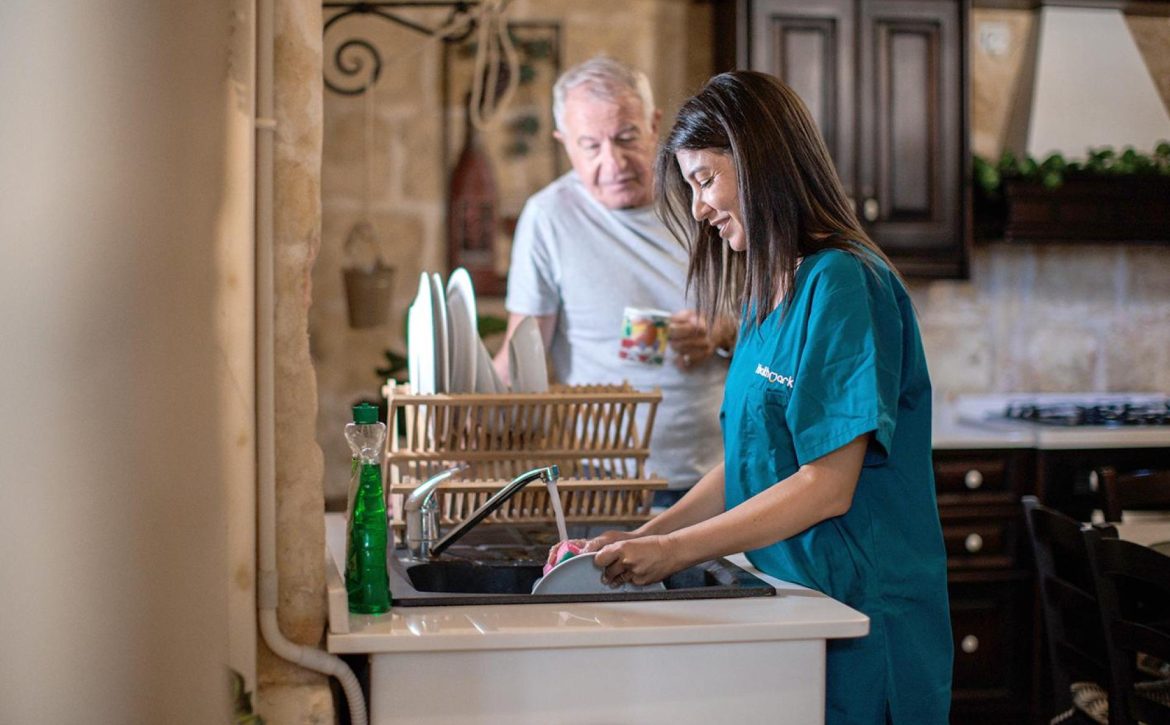
Our carers are trained to provide a wide range of bespoke care services to people with varying levels of needs and requirements in the convenience of your own home.

Read more →

Community / Domiciliary Services by our Dedicated Nursing Staff

Our nurses are trained to provide a wide range of specialised, dedicated and bespoke services to people with varying levels of needs and requirements in the convenience your own home.

Read more →

Community / Domiciliary Services by our Dedicated Home Helpers

Our Home Helpers are trained to provide a wide range of bespoke domestic and personal support to people with varying levels of needs and requirements in the convenience of your own home.

Read more →

Meals on Wheels

‘Meals on Wheels’ is the perfect solution if you or a loved one are in need of a delicious and nutritious meal delivered right to your doorstep.

Read more →


All the services you need in one place

We provide an extensive array of services to cater for various needs of individuals, families, clinics, hospitals, schools and companies. For further details, contact us on 2279 7400, or send us an email at info@healthmark.com.mt.

Frequently asked questions about care and therapy at home in Malta

What does Healthmark at Home provide? Healthmark at Home brings together care services — delivered by dedicated care workers, nursing staff and home helpers, plus Meals on Wheels — and therapy services: physiotherapy, occupational therapy, speech and language therapy, neuropsychology, podiatry, dietetics, audiology and midwifery, all in the comfort of your own home.

Is care and therapy at home available across Malta and Gozo? Yes. You can access a range of specialised medical services from the comfort of your home.

Can I arrange short-term or long-term support? Yes — Healthmark offers short-term or long-term service, with fast track service and last minute requests available.

Do I need to travel to a clinic for therapy? No need – we will come to you and provide therapy right in your home.

How do I arrange care or therapy at home? Call 2279 7400 (Mon–Sun, 07:00–19:00), email info@healthmark.com.mt, or request a quote on the Healthmark website.


To arrange care or therapy at home anywhere in Malta or Gozo, call Healthmark at Home on 2279 7400 or visit healthmark.com.mt.
01/06/2026 by Chris Peregin 0 Comments

Stroke Rehabilitation at Home in Malta: What Families Should Do Next

A stroke changes things quickly. One day a parent, partner or sibling is going about their life, and the next, it feels like everything has changed. Suddenly you’re in and out of clinics trying to take in unfamiliar information about brain scans, blood pressure and rehabilitation.

If you are reading this in those early days, you are not alone. In Malta, around three people experience a stroke every day, making it one of the leading causes of long-term disability in the country. The good news is that there is more you can do to support recovery than you might think.

Understanding what has happened after a stroke

A stroke happens when blood flow to part of the brain is interrupted, either by a clot or a bleed. The effects depend on which part of the brain was affected and how quickly treatment was given. Some people experience weakness on one side of the body, others have changes in speech, swallowing, memory or balance. Many experience a combination.

The early days are often the most uncertain. Doctors may be cautious about predicting recovery because the brain is still settling, and improvement can continue for many months, sometimes years, after the event.

What to expect in the first weeks

Recovery after a stroke depends heavily on what happens in the first weeks and months. This is when the brain is most able to form new connections, a process known as neuroplasticity. Starting rehabilitation early, and keeping it consistent, makes a real difference to long-term outcomes.

A typical stroke rehabilitation team might include a physiotherapist to work on movement and balance, an occupational therapist to support daily activities like dressing and eating, a speech and language pathologist for communication and swallowing, and a neuropsychologist for memory, attention and emotional changes. Many patients also benefit from nursing support and trained carers during the transition home.

What families in Malta can do to help patients

A guide for families in Malta who just experienced a stroke
Malta registers about three strokes per day

Families often feel helpless in the first weeks, but there are practical things that help:

Ask the hospital team about a discharge plan early, including what equipment, support or modifications might be needed at home. Public rehabilitation services in Malta are available, but many families also choose private home-based therapy to complement them, particularly for more intensive or flexible support. Keep a simple notebook with names of clinicians, medications and appointments, since information comes quickly during hospital stays. Encourage gentle activity and conversation, but also allow plenty of rest, since fatigue is one of the most common and underestimated effects of stroke.

Most importantly, look after yourselves. Stroke recovery is a long road, and families who pace themselves tend to provide better, more sustainable support.

Chances of recovery after a stroke

Every stroke is different, but improvement is the rule rather than the exception, especially with structured rehabilitation. Many people regain significant independence, and even those with lasting changes often find ways to adapt and live meaningful lives.

Stroke rehabilitation at home in Malta

Once your loved one returns home, continued therapy is often what makes the difference between a good and a great recovery. Healthmark at Home provides stroke rehabilitation at home across Malta and Gozo, with physiotherapists, occupational therapists, speech and language pathologists and nurses working together as a coordinated team in your own home.

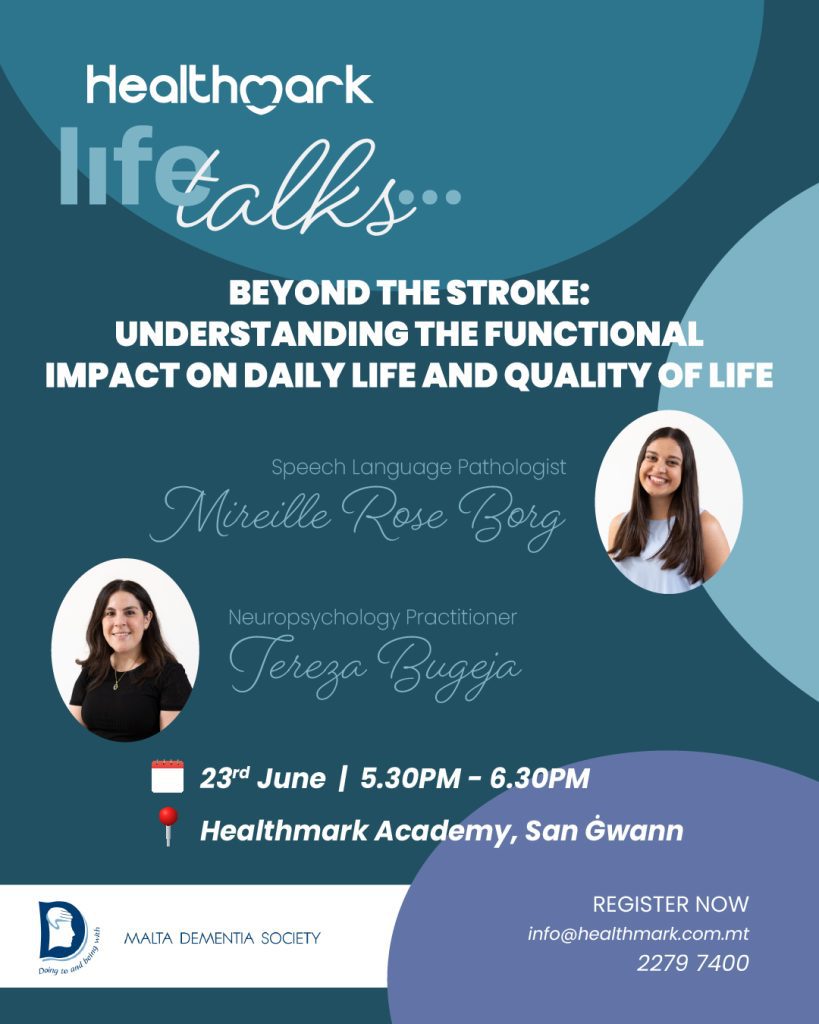
Healthmark is also hosting a public talk, Beyond the Stroke: Understanding the Functional Impact on Daily Life and Quality of Life, where families can learn more about recovery and how to support a loved one after stroke.

Register here: www.healthmark.com.mt/lifetalks

Frequently Asked Questions About Post-Stroke Recovery

  • How common is stroke in Malta?

Around three people in Malta experience a stroke every day, which makes it one of the most common causes of long-term disability and hospital admission in the country.

  • How long does stroke recovery take?

Recovery varies from person to person. The most rapid improvement usually happens in the first three to six months, but progress can continue for a year or more, and sometimes longer. Consistent rehabilitation makes a meaningful difference at every stage.

  • Can someone fully recover from a stroke?

Many people make a very good recovery, particularly with early and structured rehabilitation. Some are left with lasting changes, but even then, the goal of rehabilitation is to help them adapt, regain independence and live a full life.

  • What kind of therapy is needed after a stroke?

Most stroke survivors benefit from a combination of physiotherapy (for movement and balance), occupational therapy (for daily activities), and speech and language therapy (for communication and swallowing). Some also need support from a neuropsychologist for memory and emotional changes, and nursing care during the early weeks at home.

  • Is home-based stroke rehabilitation available in Malta?

Yes. Healthmark at Home offers multidisciplinary stroke rehabilitation across Malta and Gozo, with a team of therapists and nurses who visit patients in their own homes.

  • What should families do first after a loved one has a stroke?

Stay close, ask the hospital team about the discharge plan early, take notes, and start thinking about rehabilitation as soon as possible. Early support, both medical and emotional, makes a real difference to recovery.

To arrange home-based stroke rehabilitation, call 2279 7400 or visit healthmark.com.mt.
01/06/2026 by Chris Peregin 0 Comments

Loneliness driving Malta’s care home demand, Healthmark conference told

Study shows that failing health is not the only reason why older people apply for admission to long-term care facilities

With around 93% of older people in Malta still living in their own homes, the NAO concluded that information management and inter-entity coordination must be strengthened.

“The loneliness is killing me… I can’t stay alone anymore,”  an 84-year-old widow told her interviewer during a study conducted by the University of Malta’s Department of Gerontology and Dementia Studies.

The woman was one of seven older people interviewed who had applied for admission to a long-term care facility but, on assessment, were redirected to community-based services.

What did she need? Human presence and companionship. 

The finding, presented by Katherine Bonett, Maria Aurora Fenech and Roberta Sultana at the ‘A Caring Nation’ conference hosted by Healthmark and the International Institute on Ageing (UN ‒ Malta) on April 16, shows that behind a meaningful share of Malta’s long-term care applications lie other factors beyond failing health.

The five drivers identified by this study were fear of falling, chronic pain, loneliness, feeling like a burden to family and inaccessible housing. 

Speaking at the same conference, EY Malta partner and economist Chris Meilak set out the demographic arithmetic plainly: one-in-three Maltese will be aged 65 or over by 2060, up from one-in-five today. 

Malta will need more than 11,000 care home beds by then, against roughly 5,300 today. And public long-term care spending, at 0.9% of GDP currently, will need to rise to roughly 2.3% of GDP by 2070 just to keep pace.

Meanwhile, a performance audit by Malta’s National Audit Office (NAO), presented by Simon Vassallo alongside colleagues Lorna Fenech Azzopardi, George Calleja Gera and Sara Jayne Mizzi, examined home-based medical and clinical services for older persons between 2019 and 2024. 

The NAO found that six government entities between them deliver 29 distinct home-based services, ranging from primary healthcare and active ageing and community care provision to mental health, oncology and hospital outreach. The range is wide; the coordination is not. 

For an older person managing several conditions at once, the auditors warned, a decentralised system risks becoming a maze. The NAO recommended exploring a “one-stop-shop” concept and, more bluntly, that future strategies attach measurable targets and time frames to their commitments.

The data gaps were starker still. Of the 29 services in scope, detailed and usable usage trends and projections were available for just one. Most entities could not produce expenditure figures specific to home-based services for the over-60s. And human-resource data, where it existed, pointed to a 19.4% staffing shortage on home-based services in 2024. 

With around 93% of older people in Malta still living in their own homes, the NAO’s conclusion was unambiguous: information management and inter-entity coordination have to be strengthened so that home-based care can be planned, costed and developed as a distinct part of the national health system.

Manwel Debono of the University of Malta’s Centre for Labour Studies presented findings from a body of research on foreign care workers, many of them Filipino women, who have become indispensable to ageing care in Malta.

He opened with the story of Maria, a 40-year-old Filipina live-in carer who arrived in Malta after difficult years working in the Middle East. Her life, Debono said, captures the resilience and the vulnerability of the migrant carers Malta now relies on: long hours, blurred boundaries between work and personal life, language barriers, and limited family reunification.

Some of his interviewees described holding two contracts of employment: an official one filed with the authorities, stipulating medical care, and a separate one with the family that quietly extended their duties to housework. 

One worker, after eight years in Malta, said no official had ever knocked on her employer’s door to check that her conditions were being respected.

A separate study Debono is currently conducting, involving 400 Maltese and migrant care workers, found migrants reporting significantly higher work demands, lower managerial and peer support, lower role clarity, and higher rates of harassment and bullying than their Maltese colleagues.

Debono’s assessment of Malta’s growing dependence on migrant care labour was bluntly “hardly sustainable”, both practically and ethically. His recommendations were equally direct: unionisation, family reunification, and dedicated psychosocial services for the people on whom the care system increasingly depends.

If there is a single line that captures the spirit of the conference, it came from Patrick Barbara, a consultant psychiatrist with Malta’s mental health services: “Dementia care,” he told the room, “is the stress test of whether a nation truly cares.” 

A caring nation, he added, is judged not by its intentions but by how it cares when the work becomes difficult, prolonged and uncertain.

Barbara set out three tensions that define daily life on a dementia ward: autonomy versus safety, care versus control  and dignity versus liability. A system designed to eliminate every risk, he warned, drifts inevitably towards control. When staff are left to carry the resulting moral strain on their own, the system has already failed.

Francesca Monseigneur, a recent University of Malta social policy graduate, made a case for embedding dance movement therapy in Malta’s dementia care, drawing on the UK’s experience to argue for creative, non-pharmacological approaches the country has yet to scale. 

From Ágnes Bene of the University of Debrecen came a working example of what an active ageing infrastructure can look like: Hungary’s ‘Move Debrecen!’ and ‘Move Nyíregyháza!’ programmes have grown from 12 weekly activities in 2013 to 71 weekly activities across 36 locations today, free at the point of use, intergenerational by design and explicitly aimed at combating isolation.

A diverse panel highlighted the human side of care across generations. John Grech, speaking from his experience in residential care, emphasised the importance of person-centred approaches that truly respect individual dignity.

Doris Zammit advocated for greater inclusion, stressing that older persons should have meaningful opportunities to remain active and connected within their communities, fostering intergenerational solidarity.

Nicola Montesin underscored the vital role of informal caregivers, urging that families be recognised as essential partners in care, especially in the context of dementia.

Tyron Silos drew attention to the “sandwich generation”, calling for greater visibility, support and training for carers balancing multiple responsibilities.

Finally, Nirvana Tabone reminded healthcare professionals to look beyond clinical conditions and see the whole person, reinforcing a compassionate, holistic approach to care.

Setting the global frame at the start of the day, Amal Abou Rafeh, chief of the UN Programme on Ageing, reminded the conference that the population aged 80 and over is now growing faster than the 60-plus group worldwide, and that the geography of the world’s oldest societies is shifting from Europe towards east and southeast Asia. The ageing narrative, she said, is one the world can no longer afford to push to the margins.

Meilak’s closing slide put the choice in the simplest possible terms. Four futures, he suggested, are open to Malta: a community-care future built on local relationships and mutual trust; a state-enforcement future of mandated duties and centralised oversight; a tech-enablement future where ageing is treated as something to be optimised; and a system-collapse future in which years of underinvestment finally catch up with demand.

His question to the room, and, by extension, to the country: which future do we want to grow old in? What feels acceptable, until it’s us?

28/01/2026 by Chris Peregin 0 Comments

Who Will Care for Malta’s Older Persons Tomorrow? 

A National Conference Looks Towards The Future of Ageing Services

What happens when one in three people in Malta is over the age of 65? Who will provide informal care as families shrink and demand grows? What role will technology play? And what are the consequences if no clear direction is chosen at all?

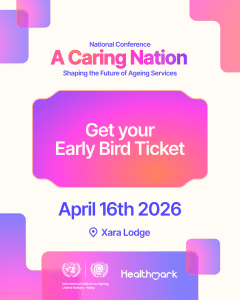
These are some of the questions that will shape discussions at A Caring Nation, a national conference examining the Future of Ageing Services in Malta, organised by Healthmark and the International Institute on Ageing, United Nations–Malta (INIA).

An expert group of keynote speakers, analyst and practitioners will also discuss the workforce delivering formal care in residential long-term care facilities and the need to cope with the envisioned increases in dementia diagnoses. 

The conference will be held at Xara Lodge on April 16th and early bird tickets can be bought from showshappening.com today.

International and national experts will contribute to the discussion, including Ms Amal Abou Rafeh, Chief of the Programme on Ageing at the United Nations in New York, who will situate Malta’s challenges within a global context.

Dr Patrick Barbara, Consultant Psychiatrist within the Ministry for Health and Active Ageing will be delivering a keynote presentation, focusing on the local realities and pressures already being felt across Malta’s health and care systems.

A unique contribution will come from Mr Chris Meilak, an economist at EY, who will present a foresight-based exploration of how ageing services in Malta could evolve under different future scenarios. Rather than predicting a single outcome, his intervention will outline four contrasting futures, ranging from a technology-driven care system powered by AI and robotics, to a community-centred model built on intergenerational solidarity; from a scenario of systemic collapse and overwhelmed services, to one where caregiving becomes more tightly regulated and state-enforced.

The conference will also feature a panel on Intergenerational Solidarity: Past, Present, Future, bringing together voices from different age groups, including university students and older adults, to discuss responsibility, connection and the kind of social contract Malta is willing to uphold.

In addition, academics will present papers responding to a national call for contributions on active ageing, rights-based care, innovation and the future of ageing services.

“As we respond to the daily pressures facing ageing services, we also have a social responsibility to think long-term and ensure sustainability,” said Charlotte Sant Portanier, CEO of Healthmark. “The decisions we take today will shape how we live, age and care for one another in the decades ahead. This conference will create the space and mind set for forward thinking.”

For Marvin Formosa, Director of the International Institute on Ageing, United Nations–Malta (INIA), the conference builds on recent national policy developments in active ageing and dementia care and charts possible paths for the foreseeable future.As Malta’s population continues to age, A Caring Nation aims to move the discussion beyond regulation and service delivery, opening a broader national conversation about responsibility, resilience and the future of care.

Book your early bird tickets here today.